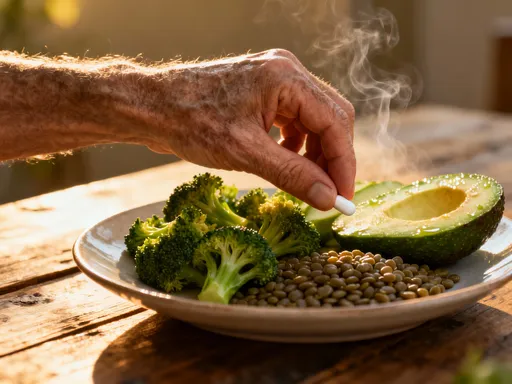
What If Aging Wasn't Inevitable?
Have you ever looked in the mirror and wondered why time seems to leave its mark so visibly? Aging is often seen as unavoidable, but science is now revealing it might be more malleable than we thought. From cellular wear to lifestyle choices, what we once considered fate can actually be influenced. Researchers are uncovering that aging is not a one-way street dictated solely by years passing, but a dynamic process shaped by biology, behavior, and environment. This growing understanding opens the door to meaningful strategies that support healthier, more vibrant aging. The good news? It’s never too late to begin.
The Myth of Inevitable Aging
Aging has long been accepted as an unchangeable fact of life, like the changing of seasons or the setting of the sun. Many believe that once a certain age is reached, decline in energy, mobility, and appearance becomes unavoidable. This belief, deeply rooted in cultural and personal experience, frames aging as a passive process—something that simply happens to us. However, modern science is challenging this long-held assumption, revealing that aging is not entirely predetermined. While chronological age—the number of years since birth—moves forward uniformly, biological age, which reflects the functional state of our cells and organs, can vary significantly between individuals of the same age.
Studies have shown that two people who are both 55 years old can have biological ages differing by as much as 15 years, based on lifestyle, genetics, and environmental exposure. This divergence underscores a crucial insight: aging is not a fixed timeline but a modifiable biological process. For example, research from the Dunedin Study, a decades-long longitudinal project, demonstrated that lifestyle factors such as smoking, poor diet, and lack of physical activity accelerated biological aging, while healthier habits slowed it. These findings suggest that how we live has a direct impact on how we age, offering a powerful sense of agency.
The shift from viewing aging as inevitable to seeing it as malleable transforms our relationship with time. Instead of resigning ourselves to decline, we can actively support our bodies to maintain strength, clarity, and resilience well into later years. This does not mean stopping aging altogether—such a goal remains beyond current science—but rather slowing its pace and improving healthspan, the period of life spent in good health. The distinction is vital: living longer is valuable only if those additional years are lived with vitality and independence.
Understanding Cellular Aging: Telomeres, Senescence, and Oxidative Stress
At the core of aging lies what happens within our cells. Every cell in the body contains DNA, the blueprint for life, and over time, this genetic material sustains damage that affects cellular function. One of the most studied mechanisms of cellular aging involves telomeres—protective caps at the ends of chromosomes that shorten with each cell division. Think of telomeres like the plastic tips on shoelaces; when they wear down, the lace begins to fray. Similarly, when telomeres become too short, cells can no longer divide properly and enter a state of senescence or die. Shortened telomeres are linked to a higher risk of age-related conditions such as heart disease, diabetes, and weakened immunity.
Importantly, telomere shortening is not solely dictated by time. Lifestyle factors play a significant role in their preservation. Research published in *The Lancet Oncology* found that men with early-stage prostate cancer who adopted comprehensive lifestyle changes—including a plant-based diet, regular exercise, stress management, and strong social support—experienced telomere lengthening over five years, while the control group showed shortening. This landmark study illustrates that even at the molecular level, our daily choices influence the aging process. While genetics contribute to baseline telomere length, behavior appears to determine how quickly they erode.
Another key factor in cellular aging is oxidative stress, an imbalance between free radicals and antioxidants in the body. Free radicals are unstable molecules produced naturally during metabolism, but they can damage DNA, proteins, and cell membranes when present in excess. Sources such as pollution, smoking, poor diet, and chronic inflammation increase oxidative stress. Over time, this damage accumulates, contributing to visible signs of aging like wrinkles and age spots, as well as internal decline. The body’s antioxidant defenses—supported by nutrients like vitamins C and E, selenium, and polyphenols—help neutralize free radicals and reduce cellular wear.
Cellular senescence, the state in which cells stop dividing but do not die, also accelerates aging. These “zombie cells” accumulate in tissues and secrete inflammatory molecules that harm surrounding healthy cells. While senescence initially serves as a protective mechanism against cancer, its long-term presence contributes to tissue dysfunction. Emerging research into senolytics—compounds that clear senescent cells—shows promise in animal models for improving healthspan, though human applications remain under investigation. For now, the best approach to minimizing cellular damage lies in consistent, evidence-based lifestyle practices.
The Power of Metabolism and Mitochondria
Mitochondria, often referred to as the powerhouses of the cell, are responsible for generating energy in the form of ATP (adenosine triphosphate). Every heartbeat, breath, and thought depends on this energy production. As we age, mitochondrial function declines, leading to reduced energy levels, slower recovery, and increased fatigue. This decline is not just a consequence of aging—it actively contributes to it. Damaged mitochondria produce more free radicals and less ATP, creating a vicious cycle of cellular stress and inefficiency. Supporting mitochondrial health is therefore a cornerstone of healthy aging.
Metabolism, the sum of all chemical processes in the body, naturally slows with age due in part to changes in muscle mass, hormone levels, and mitochondrial efficiency. This slowdown often leads to weight gain, particularly around the abdomen, even without changes in diet or activity. However, metabolic rate is not fixed. Studies show that regular physical activity, especially strength training, helps preserve muscle mass and maintain a higher resting metabolic rate. Additionally, certain dietary patterns, such as time-restricted eating, have been shown to improve metabolic flexibility—the body’s ability to switch between burning glucose and fat for fuel—which supports energy balance and reduces metabolic stress.
Nutrition plays a direct role in mitochondrial health. Compounds like coenzyme Q10 (CoQ10), alpha-lipoic acid, and acetyl-L-carnitine are involved in mitochondrial energy production and have antioxidant properties. While supplements are available, the most effective way to support mitochondria is through whole foods rich in phytonutrients, healthy fats, and high-quality protein. Foods such as fatty fish, nuts, seeds, leafy greens, and colorful vegetables provide the building blocks for resilient cellular function. Additionally, intermittent fasting and calorie restriction—without malnutrition—have been shown in clinical studies to enhance mitochondrial efficiency and promote cellular repair processes like autophagy, the body’s way of cleaning out damaged components.
The connection between metabolism and aging also extends to insulin sensitivity. As we age, many people develop insulin resistance, a condition in which cells become less responsive to insulin, leading to elevated blood sugar and increased risk of type 2 diabetes. Insulin resistance is closely tied to inflammation and oxidative stress, both of which accelerate aging. Fortunately, lifestyle interventions such as regular exercise, reduced intake of refined carbohydrates, and improved sleep can significantly enhance insulin sensitivity. By maintaining metabolic health, individuals can support not only energy and weight management but also long-term cellular vitality.
Lifestyle Levers That Actually Work
While the science of aging is complex, the most powerful tools for slowing it are accessible and practical. Diet, exercise, and sleep form the foundation of longevity, supported by decades of research. These are not quick fixes but sustainable habits that compound over time, offering profound benefits for both biological aging and quality of life. The key is consistency, not perfection. Small, daily choices—what to eat, how to move, when to rest—collectively shape the trajectory of aging.
Diet is perhaps the most influential factor. A pattern centered on whole, minimally processed foods—rich in vegetables, fruits, legumes, whole grains, nuts, seeds, and lean proteins—has been consistently linked to longer healthspan. The Mediterranean diet, in particular, is well-studied for its anti-aging effects, associated with reduced inflammation, improved cardiovascular health, and lower risk of cognitive decline. Equally important is *when* we eat. Time-restricted eating, such as limiting food intake to an 8- to 10-hour window each day, aligns with the body’s circadian rhythms and supports metabolic health. This approach has been shown to improve insulin sensitivity, reduce oxidative stress, and enhance cellular repair, all without requiring calorie counting.
Physical activity is equally essential. Exercise is one of the few interventions proven to slow multiple aspects of aging. Strength training preserves muscle mass and bone density, reducing the risk of frailty and falls. Aerobic exercise improves cardiovascular function, boosts mitochondrial health, and enhances circulation. Even moderate activities like brisk walking, gardening, or dancing contribute to longevity. The World Health Organization recommends at least 150 minutes of moderate-intensity aerobic activity per week, along with muscle-strengthening activities on two or more days. For many, breaking this into 30-minute sessions five times a week makes it manageable and sustainable.
Sleep is the third pillar. During deep sleep, the body repairs tissues, clears metabolic waste from the brain, and regulates hormones that influence appetite, stress, and immunity. Chronic sleep deprivation accelerates biological aging, increases inflammation, and impairs cognitive function. Aim for 7 to 9 hours of quality sleep per night. Creating a consistent bedtime routine, reducing screen time before bed, and maintaining a cool, dark sleeping environment can significantly improve sleep quality. For women in midlife, hormonal changes may affect sleep, making good sleep hygiene even more critical. Addressing sleep is not a luxury—it is a biological necessity for healthy aging.
The Hidden Impact of Chronic Stress and Recovery
Stress is an unavoidable part of life, but when it becomes chronic, it takes a significant toll on the body. The stress hormone cortisol, essential for short-term survival responses, becomes harmful when elevated over long periods. High cortisol levels are associated with increased abdominal fat, suppressed immune function, reduced bone density, and impaired memory. Chronic stress also accelerates telomere shortening, effectively aging cells faster. For many women juggling family, work, and personal responsibilities, stress can feel constant, making recovery practices not just beneficial but essential.
The good news is that the body is designed to recover. Intentional practices that activate the parasympathetic nervous system—the “rest and digest” mode—can counteract the effects of stress. Mindfulness meditation, for example, has been shown in multiple studies to reduce cortisol levels, improve emotional regulation, and even increase gray matter in brain regions linked to learning and memory. Just 10 to 15 minutes a day of focused breathing or meditation can make a measurable difference. Deep, slow breathing techniques, such as diaphragmatic breathing or box breathing, help calm the nervous system and reduce physiological markers of stress.
Other recovery practices include spending time in nature, engaging in creative activities, and maintaining strong social connections. Laughter, meaningful conversations, and physical touch—such as hugging a loved one—trigger the release of oxytocin, a hormone that promotes feelings of safety and connection. These moments of connection and calm are not distractions from a busy life; they are investments in long-term health. Prioritizing recovery is not selfish—it is a necessary component of sustainable well-being.
Environmental and Behavioral Accelerators of Aging
Beyond diet and stress, everyday behaviors and environmental exposures silently influence the aging process. Ultraviolet (UV) radiation from the sun is one of the most well-documented accelerators of skin aging, contributing to wrinkles, loss of elasticity, and increased risk of skin cancer. Daily use of broad-spectrum sunscreen, even on cloudy days, is a simple yet powerful protective measure. Wearing hats and seeking shade during peak sun hours further reduces UV damage.
Exposure to environmental toxins, such as air pollution, pesticides, and chemicals in household products, also contributes to oxidative stress and inflammation. While it’s impossible to avoid all toxins, reducing exposure through choices like using natural cleaning products, filtering drinking water, and choosing organic produce when possible can make a difference. Indoor air quality matters too—opening windows for ventilation and using air purifiers can reduce the buildup of pollutants.
Sedentary behavior is another silent accelerator. Sitting for long periods, especially without regular movement, is linked to poor circulation, metabolic slowdown, and increased risk of chronic disease. The solution is not necessarily intense exercise but frequent movement. Standing up every 30 minutes, taking short walks, or doing light stretching breaks the cycle of inactivity. Using a standing desk or walking during phone calls are practical ways to incorporate more motion into the day.
Poor hydration and overconsumption of processed foods high in sugar, salt, and unhealthy fats also speed up aging. Dehydration affects skin elasticity, cognitive function, and kidney health. Drinking enough water throughout the day—typically 6 to 8 glasses, depending on activity and climate—supports detoxification and cellular function. Replacing sugary drinks with water, herbal teas, or infused water with lemon or cucumber is a simple yet effective change. Similarly, reducing processed snacks in favor of whole foods rich in fiber and nutrients helps maintain stable energy and reduces inflammation.
Digital overuse, particularly excessive screen time, affects sleep, posture, and mental well-being. Blue light from screens can disrupt melatonin production, making it harder to fall asleep. Setting boundaries around screen use, especially in the evening, supports better sleep and reduces mental fatigue. Creating tech-free zones or times—such as during meals or the hour before bed—encourages presence and connection.
Building a Sustainable Longevity Mindset
Healthy aging is not about chasing youth or achieving perfection. It is about cultivating a mindset of care, consistency, and resilience. The most effective longevity strategies are not extreme diets or expensive treatments but small, sustainable habits that become part of daily life. The goal is not to add more to an already full schedule but to integrate health-supporting choices into existing routines. For example, preparing a nourishing meal can become a moment of mindfulness; a walk with a friend can serve both physical and emotional needs.
Shifting from short-term fixes to long-term habits requires reframing how we think about aging. Instead of fearing it, we can view it as an opportunity to deepen self-awareness and intentionality. Each choice—to eat a vegetable, take a walk, pause for a breath—reinforces a commitment to well-being. Over time, these choices accumulate, leading to measurable improvements in energy, mood, and physical function. The science of epigenetics shows that lifestyle can influence gene expression, meaning that even with a family history of certain conditions, behavior can alter risk.
Supporting longevity also means nurturing purpose and connection. Studies consistently show that people who feel a sense of meaning and maintain strong social ties tend to live longer, healthier lives. Volunteering, learning new skills, staying involved in community activities, or simply sharing meals with loved ones contribute to emotional resilience and cognitive vitality. Aging well is not just about the body—it is also about the mind and spirit.
Finally, it is important to approach aging with self-compassion. There will be days when habits slip, stress feels overwhelming, or motivation wanes. This is normal. The goal is not perfection but progress. Celebrating small victories—choosing water over soda, getting to bed 20 minutes earlier, taking five deep breaths during a stressful moment—builds confidence and reinforces positive change. Over time, these moments become the foundation of a life lived with vitality and grace.
Science continues to deepen our understanding of aging, revealing it as a dynamic process shaped by daily choices. While chronological age will always move forward, biological age can be influenced. Through evidence-based lifestyle practices—nourishing food, regular movement, quality sleep, stress management, and environmental awareness—individuals can support their bodies to age more slowly and live more fully. The power to shape how we age lies not in a single miracle solution but in the quiet, consistent accumulation of healthy habits. By embracing this approach, we honor our bodies, protect our health, and open the door to a future filled with energy, clarity, and connection.