How I Stayed Calm for Years with Acupuncture and Massage
For over a decade, I’ve turned to acupuncture and massage not just for physical relief, but for emotional balance. Life throws curveballs—stress, sleepless nights, that constant mental noise. What if simple, natural practices could help you stay grounded? This is my journey of using these therapies long-term to manage emotions, feel more like myself, and build resilience—no magic, just consistency and care. These are not miracle cures, but gentle, cumulative tools that, over time, helped me reclaim a sense of calm I didn’t think was possible. What began as a search for relief from tension evolved into a deeper understanding of how the body holds emotion—and how intentional touch and mindful practices can release it.
The Emotional Burnout That Changed Everything
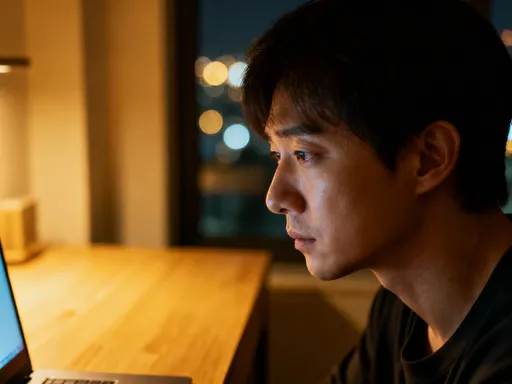
There was a point, several years ago, when life felt like a series of endless demands. Work deadlines stacked up, family responsibilities multiplied, and personal time vanished. I wasn’t sleeping well, waking frequently with a racing mind. My shoulders were permanently tight, my jaw clenched even in sleep. I felt emotionally frayed—quick to frustration, slow to joy. At first, I dismissed it as normal stress. But when I found myself crying in the grocery store over a missing brand of tea, I knew something had to change.
I had tried conventional approaches. I spoke with a counselor, which helped me understand my thought patterns, but didn’t ease the physical symptoms. I experimented with over-the-counter sleep aids, which left me groggy and disconnected. Medication was suggested, but I hesitated. I wanted a solution that addressed both mind and body, not just one in isolation. I longed for a way to feel grounded, not medicated.
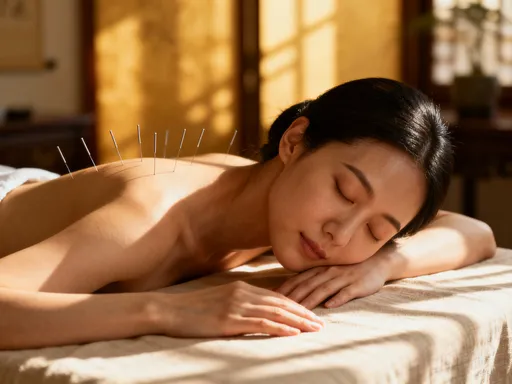
That’s when I first considered acupuncture. A friend had spoken about how it helped her anxiety, not just her back pain. I was skeptical—needles and energy pathways sounded too abstract. But desperation outweighed doubt. I made an appointment not with the hope of a cure, but simply to try something different. What I didn’t expect was how quickly I noticed a shift—not just in how I felt physically, but emotionally. After the first session, I slept through the night. Not because I was sedated, but because my nervous system, for the first time in months, felt safe enough to rest.
Why Acupuncture? What Science Says About Energy and Emotions
Acupuncture is often misunderstood as merely a treatment for pain. But its roots in Traditional Chinese Medicine (TCM) view the body as an interconnected system of energy pathways, or meridians, through which qi (pronounced “chee”) flows. When qi becomes blocked or imbalanced, it can manifest as physical discomfort—or emotional distress. While the concept of qi may seem elusive, modern science offers a more tangible explanation: acupuncture appears to influence the autonomic nervous system, particularly by calming the sympathetic “fight-or-flight” response and activating the parasympathetic “rest-and-digest” state.
Research supports this. A 2013 meta-analysis published in the Journal of Endocrinology found that acupuncture significantly reduced cortisol levels—the hormone most closely linked to stress—in participants with chronic anxiety. Another study from 2018 in the Journal of Acupuncture and Meridian Studies showed measurable improvements in mood and sleep quality among patients receiving regular treatments. These effects weren’t immediate; they built over time, reinforcing the idea that acupuncture is not a quick fix but a form of ongoing maintenance.
From personal experience, I’ve learned that consistency matters. Going once won’t rewire your nervous system. But weekly or biweekly sessions over months can help regulate emotional responses. I began to notice that stressful emails no longer triggered a physical reaction in my chest. I could pause before reacting, breathe, and respond rather than react. My acupuncturist explained that certain points—like Yintang, the “third eye” point between the eyebrows—were specifically chosen to calm the mind. Others, like Heart 7, were used to stabilize emotions. Over time, these small interventions added up to a profound shift in how I navigated daily life.
Massage: More Than Just Relaxation—A Tool for Emotional Release
If acupuncture works on the nervous system from the inside out, massage works from the outside in. Touch is one of the most primal forms of communication. When done with intention and care, it signals safety to the body. I started with monthly Swedish massages, mostly for muscle tension. But I soon realized that some sessions brought more than physical relief—they brought tears. Not every time, but occasionally, as the therapist worked on my shoulders or hips, emotions would surface. It wasn’t dramatic, but a quiet release, like a dam slowly opening.
Science helps explain this. Chronic stress causes muscles to tighten as a protective mechanism. This tension can become habitual, even when the original stressor is gone. Massage reduces muscle stiffness, lowers heart rate, and decreases levels of cortisol and adrenaline. But beyond the physiological, it creates a rare space of stillness and presence. In a world that demands constant output, lying still under gentle, skilled hands becomes an act of radical self-permission.
What surprised me most was how certain areas held emotional memories. My right shoulder, for instance, carried the weight of years of caregiving—both for aging parents and young children. When the therapist released a knot there, I recalled a moment years prior when I’d stood in a hospital hallway, holding a phone call with one hand and a suitcase with the other, feeling utterly alone. I hadn’t realized I’d stored that moment in my body until it was released. The therapist didn’t push me to talk—she simply held space, offering a tissue when needed. That balance of professionalism and compassion made all the difference.
Building a Long-Term Routine: What My Schedule Actually Looks Like
Sustainability is key. When I first started, I thought I needed weekly acupuncture and biweekly massages to maintain results. But that quickly became expensive and time-consuming. I learned to listen to my body and adjust. Now, my routine is flexible but consistent: I see my acupuncturist every other week, increasing to weekly during high-stress seasons like holidays or family transitions. I schedule a deep-tissue massage every four to six weeks, depending on how my body feels.
Cost was a real concern. I looked for practitioners who offered sliding-scale fees or package discounts. Some community acupuncture clinics allowed me to receive treatment in a group setting at a lower cost. I also prioritized these expenses like any other health investment—non-negotiable, but budgeted. I cut back on less essential spending, like dining out or subscription services, to make room. Over time, the investment paid for itself in fewer sick days, better sleep, and improved relationships.
Time management was another challenge. I used to think I needed long sessions to benefit. But even 30-minute acupuncture appointments made a difference. I scheduled them during lunch breaks or paired them with a quiet walk afterward. The key wasn’t perfection—it was showing up. Some months were sparser than others, and that was okay. The practice wasn’t about rigid adherence, but about returning, again and again, to what supported my well-being.
What Changed After Years? Real Emotional Shifts I Didn’t Expect
The changes weren’t dramatic at first. I didn’t wake up one day suddenly serene. But over time, I noticed a quiet shift in my baseline. I became less reactive. When my teenager slammed a door in frustration, I no longer felt the urge to yell back. Instead, I took a breath. That pause—small as it seemed—was everything.
Sleep improved steadily. I no longer lay awake analyzing the day’s events. My mind felt less cluttered. I also developed a stronger mind-body connection. I could sense tension building in my shoulders before a headache arrived, or notice my breath quickening before anxiety took hold. That awareness allowed me to intervene early—sometimes with a few minutes of deep breathing, other times by scheduling an earlier acupuncture session.
One of the most unexpected changes was how I handled grief. When a close friend passed away, I allowed myself to feel the sadness fully, without the usual accompanying spiral of physical symptoms—tight chest, nausea, insomnia. I still cried, but I also rested, ate, and slept. I attribute this resilience not to the absence of pain, but to the foundation these practices had built. My nervous system, trained over years to return to balance, didn’t stay stuck in survival mode. Grief was present, but not all-consuming.
Combining with Daily Habits: How It All Fits Together
Acupuncture and massage work best as part of a larger ecosystem of self-care. I’ve learned that no amount of therapy can compensate for chronic dehydration, poor sleep hygiene, or constant over-scheduling. These treatments enhance the benefits of other healthy habits, not replace them.
Each morning, I spend five minutes practicing diaphragmatic breathing—inhaling deeply through the nose, expanding the belly, and exhaling slowly. This simple practice, done consistently, helps regulate the nervous system and complements the work done during acupuncture. I also incorporate light movement: a short walk, gentle stretching, or a few minutes of yoga. These activities keep energy flowing and prevent stagnation, both physically and emotionally.
Hydration is another cornerstone. I keep a water bottle nearby and aim for at least eight glasses a day. When the body is well-hydrated, tissues are more pliable, making massage more effective and reducing muscle cramps. I’ve also learned to set boundaries—saying no to extra commitments, protecting my evening wind-down time, and limiting screen exposure before bed. These choices create space for healing to take place. The therapies support the habits, and the habits support the therapies, forming a self-reinforcing cycle of well-being.
Important Notes: When to Seek Help and What This Isn’t
It’s essential to be clear: acupuncture and massage are supportive tools, not substitutes for professional mental health care. If you are experiencing symptoms of depression, anxiety disorders, or trauma, it’s crucial to consult a licensed therapist or medical provider. These therapies can complement treatment, but they should not delay or replace evidence-based interventions like cognitive behavioral therapy or prescribed medication when needed.
Always seek care from licensed and certified practitioners. In the U.S., acupuncturists should be certified by the National Certification Commission for Acupuncture and Oriental Medicine (NCCAOM). Massage therapists should be licensed by the state and trained in therapeutic techniques. Ask about their experience, especially if you have specific health concerns. A good practitioner will listen to your goals, explain their approach, and respect your boundaries.
Also, be realistic about expectations. These are not cure-alls. Some people may not respond as strongly, and that’s okay. The goal isn’t to eliminate all stress—that’s impossible—but to build resilience and improve your capacity to cope. Approach them with patience and an open mind, but also with discernment. Use them as part of a balanced, informed approach that honors both traditional wisdom and modern medical knowledge.
My journey with acupuncture and massage has been one of gradual discovery. It hasn’t erased life’s challenges, but it has changed how I meet them. I’ve learned that emotional well-being isn’t about achieving constant calm, but about cultivating the ability to return to balance after disruption. It’s about listening to the body, honoring its signals, and responding with kindness. These practices have taught me that self-care isn’t selfish—it’s necessary. They’ve given me tools to stay present, to breathe through difficulty, and to move through life with greater ease. If you’re feeling overwhelmed, know that support exists in many forms. Acupuncture and massage may be part of your path, not as a quick fix, but as a quiet, consistent promise to yourself: I am worth the care.