How I Took Control of My Health Without Overhauling My Life
Living with a chronic condition used to feel like running a marathon with no finish line. I was overwhelmed, confused, and stuck in a cycle of frustration. But over time, I learned that small, consistent lifestyle shifts—not extreme fixes—made the biggest difference. This is what actually worked for me, based on real experience and professional guidance. It’s not about perfection; it’s about progress. And yes, you can start today. The journey wasn’t marked by dramatic overhauls or punishing regimens. Instead, it unfolded through quiet, intentional choices: a five-minute stretch in the morning, a walk around the block after dinner, a glass of water before reaching for coffee. These tiny actions, repeated over time, built a foundation of resilience. They didn’t erase my diagnosis, but they gave me back a sense of agency. For anyone who’s ever felt trapped by their health, this is a reminder: you don’t have to change everything to change your life.
The Wake-Up Call: Recognizing the Need for Change
For years, the signs were easy to dismiss. Fatigue after work? Normal. Joint stiffness in the morning? Just getting older. Frequent headaches or digestive discomfort? Probably stress. But slowly, the symptoms began to stack—like unread emails piling up in an inbox until one day, the system crashes. For me, that moment came during a family gathering. I had to excuse myself early, retreating to a quiet room with a heating pad and a growing sense of dread. The laughter from the next room felt distant, muffled by pain and exhaustion. It wasn’t just physical; it was emotional. I felt like a spectator in my own life, missing moments I couldn’t get back.
That night marked a turning point. I realized I was making regular trips to the doctor, collecting prescriptions, and still feeling worse. Medication helped manage symptoms, but it didn’t address the root causes. My doctor confirmed what I already suspected: lifestyle factors—what I ate, how I moved, how I slept—were playing a significant role. This wasn’t about blaming myself, but about recognizing an opportunity. Health isn’t just the absence of disease; it’s the presence of daily habits that support the body’s ability to function. The realization wasn’t met with panic, but with a quiet resolve. If small habits had contributed to the problem, perhaps small habits could also be part of the solution.
Accepting this didn’t mean I had to overhaul my life overnight. In fact, attempting to do so had failed me before. The idea of drastic diet changes, intense workouts, or complete lifestyle resets felt overwhelming and unsustainable. What I needed wasn’t another rigid plan, but a realistic, compassionate approach—one that fit into the life I was already living. The goal wasn’t to become someone else, but to feel more like myself again. This shift in perspective—from punishment to partnership with my body—became the foundation for lasting change.
Mindset Matters: Shifting from Overwhelm to Empowerment
Before any physical change could take hold, a mental shift was necessary. The biggest obstacle wasn’t time, money, or access to information—it was the weight of expectation. I carried a mental list of things I “should” be doing: eating perfectly, exercising daily, meditating, journaling, sleeping eight hours. The list felt endless, and every unmet item added to a sense of failure. This mindset turned self-care into another chore, another source of stress. It wasn’t motivation that was missing; it was permission—to start small, to be imperfect, to try again tomorrow.
What helped most was reframing the language I used with myself. Instead of “I have to walk today,” I began saying, “I get to move my body.” Instead of “I should eat better,” I reminded myself, “I choose foods that help me feel steady.” These small shifts in phrasing weren’t just positive thinking—they changed my relationship with the actions. They transformed obligations into opportunities. This wasn’t about toxic positivity, but about reclaiming agency. Chronic illness can make you feel powerless, but every small choice is an act of reclamation.
Equally important was learning to practice self-compassion. There would be days when I skipped a walk, reached for processed snacks, or stayed up too late. In the past, these moments would spiral into guilt and shame, often leading to further disengagement. Now, I learned to respond with kindness. I’d ask, “What did I need in that moment?” Was I tired? Stressed? Overwhelmed? Understanding the “why” behind a choice removed judgment and opened space for better decisions later. Progress isn’t linear, and healing isn’t a race. It’s a series of small, repeated efforts, supported by patience and grace.
Movement That Fits: Rethinking Exercise with a Chronic Condition
Exercise used to mean one thing: the gym. I’d sign up for memberships, buy workout clothes, and commit to hour-long sessions, only to stop after a few weeks. The routine was too rigid, too intense, and too disconnected from my daily life. What I didn’t realize was that movement isn’t just about structured workouts—it’s about consistent, gentle motion throughout the day. For someone managing a chronic condition, this distinction is crucial. High-intensity exercise can sometimes worsen symptoms, while low-impact, regular movement supports circulation, reduces stiffness, and improves mood.
I started with walking—ten minutes after each meal. It wasn’t much, but it became a ritual. I’d step outside, even in bad weather, and just move. Sometimes I listened to music, sometimes I observed my surroundings, and sometimes I simply breathed. Over time, those ten minutes turned into fifteen, then twenty. I noticed changes: less post-meal fatigue, better digestion, and a calmer mind. On days when walking wasn’t possible, I’d do seated stretches or gentle yoga on the living room floor. The key was consistency, not intensity.
Another breakthrough was recognizing the value of “movement snacks”—short bursts of activity woven into daily routines. I’d stand while talking on the phone, take the stairs instead of the elevator, or do calf raises while brushing my teeth. These micro-movements added up, keeping my body active without triggering flare-ups. The goal wasn’t to burn calories or achieve a certain heart rate; it was to signal to my body that it was safe to move, to rebuild trust in its own strength. Physical activity, when approached gently and regularly, became not a burden, but a form of self-respect.
Eating for Stability: Simple Food Choices That Support Health
Nutrition was another area where I’d swung between extremes: strict diets followed by periods of restriction and rebound. I’d try eliminating entire food groups, only to feel deprived and eventually give up. What finally helped was shifting from restriction to balance. Instead of focusing on what to cut out, I focused on what to add in—nutrient-dense foods that supported steady energy and reduced inflammation.
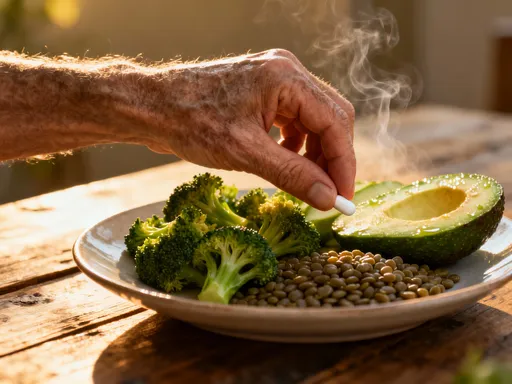
One of the most effective changes was building balanced meals. I learned that combining complex carbohydrates, protein, and healthy fats helped regulate blood sugar, which in turn reduced energy crashes and cravings. For example, instead of toast for breakfast, I’d have whole grain toast with avocado and a boiled egg. Instead of a granola bar, I’d choose apple slices with almond butter. These small swaps didn’t feel like sacrifices—they felt like upgrades. I wasn’t denying myself; I was nourishing myself.
Hydration also played a bigger role than I expected. I started carrying a water bottle and made it a habit to drink a glass first thing in the morning. I noticed that when I was well-hydrated, my digestion improved, my skin looked better, and I felt more alert. I didn’t count ounces or obsess over intake; I simply made water more accessible than sugary drinks. Over time, my taste preferences shifted. I craved less soda and more herbal tea, less processed food and more whole ingredients.
Importantly, I stopped labeling foods as “good” or “bad.” This binary thinking created guilt and shame, which only made it harder to sustain healthy habits. Instead, I focused on consistency. Eating well 80% of the time left room for flexibility without derailing progress. This approach wasn’t about perfection—it was about creating a sustainable, enjoyable relationship with food.
Sleep: The Unsung Hero of Chronic Disease Management
If there’s one factor that transformed my health more than any other, it’s sleep. For years, I treated sleep as a luxury—something to squeeze in if I had time. I’d stay up late watching TV, scrolling on my phone, or worrying about the next day. But poor sleep wasn’t just making me tired; it was worsening my symptoms. Research shows that disrupted sleep can increase inflammation, impair immune function, and heighten pain sensitivity—all critical factors in chronic conditions.
I began by setting a consistent bedtime and wake-up time, even on weekends. This helped regulate my body’s internal clock, making it easier to fall asleep and wake up naturally. I also created a wind-down routine: turning off screens an hour before bed, dimming the lights, and doing a short breathing exercise or reading a book. These small habits signaled to my body that it was time to rest.
My bedroom environment also changed. I invested in blackout curtains, used a white noise machine, and kept the room cool. I stopped using my bed for work or watching TV, reinforcing the association between bed and sleep. On nights when sleep didn’t come easily, I practiced gentle mindfulness—focusing on my breath, releasing tension from each part of my body—without frustration. Over time, these adjustments led to deeper, more restorative sleep. I woke up feeling more refreshed, my mood improved, and my body felt more resilient. Sleep wasn’t a passive act; it was active healing.
Stress, Cortisol, and the Hidden Trigger
Stress was the invisible thread running through my symptoms. I didn’t think of myself as particularly stressed—I wasn’t in a high-pressure job or facing major life events. But chronic stress isn’t always dramatic. It’s the low hum of daily pressures: managing a household, remembering appointments, dealing with uncertainty. Over time, this constant activation of the stress response can elevate cortisol levels, which in turn affects blood sugar, digestion, immune function, and inflammation.
What helped wasn’t eliminating stress—that’s impossible—but learning to regulate my body’s response to it. I started with simple breathing exercises: inhaling for four counts, holding for four, exhaling for six. Just five minutes a day made a noticeable difference in my nervous system. I also began spending time in nature—short walks in the park, sitting under a tree, or tending to houseplants. These moments of stillness helped reset my mind and reduce mental clutter.
Journaling became another powerful tool. I didn’t write every day, but when I felt overwhelmed, I’d jot down my thoughts. Putting feelings on paper helped me process them without letting them spiral. I also learned to recognize my body’s stress signals: tight shoulders, shallow breathing, irritability. When I noticed these signs, I’d pause and ask, “What do I need right now?” Sometimes it was water, sometimes rest, sometimes a brief walk. These small interventions didn’t erase stress, but they prevented it from accumulating and triggering flare-ups.
Building a Routine That Lasts: The Power of Tiny Habits
Sustainability was the final piece of the puzzle. I’d tried big changes before, but they didn’t stick. What worked this time was starting small and building gradually. I used the concept of habit stacking—pairing a new behavior with an existing one. For example, after brushing my teeth, I’d do two minutes of stretching. After pouring my morning coffee, I’d drink a glass of water. These tiny actions required minimal effort but created momentum.
I also paid attention to my environment. I kept healthy snacks visible on the counter, placed my walking shoes by the door, and set phone reminders for bedtime. These cues made it easier to follow through without relying on willpower. I didn’t track every habit, but I did keep a simple journal where I noted my mood, energy levels, and any symptoms. This wasn’t about perfection or punishment—it was about awareness. Over time, patterns emerged. I could see how a good night’s sleep led to better energy, how consistent movement reduced stiffness, how hydration improved focus.
Throughout this journey, I never stopped consulting my healthcare providers. These lifestyle changes weren’t a replacement for medical treatment—they were a complement. My doctor supported my efforts, adjusting medications when needed and celebrating progress. This partnership was essential. It reminded me that taking control of my health didn’t mean going it alone. It meant working with professionals while making empowered choices every day.
Managing a chronic condition isn’t about dramatic transformations—it’s about showing up daily with small, smart choices. What I’ve learned isn’t a cure, but a way to live better, feel stronger, and take back control. These habits aren’t perfect, but they’re real, doable, and backed by both experience and science. And that makes all the difference.