How I Made Keto Work Without the Stress: Simple Habits That Actually Stick
What if going keto didn’t mean strict rules or constant counting? I tried it the hard way first—overwhelmed, hungry, and ready to quit. Then I shifted my focus from perfection to simple, sustainable habits. No extreme restrictions, just real changes that fit my life. This isn’t about instant results, but lasting shifts. If you’ve ever felt like keto was too tough, you’re not alone—and there’s a gentler way forward.
The Keto Hype vs. Real Life
The ketogenic diet has become one of the most talked-about eating approaches in recent years, especially among women seeking lasting energy, balanced moods, and healthy weight management. At its core, keto is a way of eating that emphasizes low carbohydrate intake, moderate protein, and higher amounts of healthy fats. The goal is to shift the body’s primary fuel source from glucose—derived from carbs—to ketones, which are produced when the liver breaks down fat. This metabolic state, known as ketosis, can support steady energy levels, reduced hunger, and improved mental clarity for many people.
Yet despite its popularity, the real-life experience of keto often falls short of the glossy images seen online. Social media feeds are filled with perfectly arranged avocado bowls, bacon-wrapped everything, and promises of rapid transformation. But behind the scenes, many women struggle with confusion, fatigue, and frustration. Some quit within weeks, believing they lacked willpower or made a mistake. The truth is, the problem isn’t them—it’s the mismatch between the diet’s simplified portrayal and the complexity of daily life.
One of the most persistent myths is that keto means eating unlimited amounts of processed meats or avoiding all carbohydrates forever. In reality, sustainable keto is not about banning every carb-containing food or living on bacon and butter. It’s about making thoughtful choices that support metabolic health without sacrificing enjoyment or practicality. Another misconception is that keto is only for weight loss. While many do lose weight, the benefits extend to improved blood sugar control, reduced inflammation, and greater resilience against energy crashes—especially valuable for women managing busy households and shifting hormones.
The gap between expectation and reality often leads to burnout. Women report feeling isolated at family meals, anxious about tracking every gram, or defeated when they “slip up.” These experiences are not signs of failure, but signals that the approach needs adjustment. Long-term success on keto doesn’t come from rigid adherence or short-term sacrifice. It comes from integrating small, repeatable habits that align with real life. When the focus shifts from perfection to progress, keto becomes less of a diet and more of a lifestyle—one that supports, rather than controls, daily living.
Why Simplicity Wins in Keto
Complexity is one of the biggest barriers to consistency, especially in dietary changes. When a plan requires meticulous tracking, elaborate recipes, or constant self-denial, it demands high levels of mental energy—energy that most women already stretch thin across family, work, and personal responsibilities. The more complicated a habit, the less likely it is to last. This is where many traditional keto approaches fall short. They emphasize precision over practicality, leading to decision fatigue, stress, and eventual disengagement.
Behavioral science supports the idea that habits stick best when they require minimal effort and decision-making. A routine that fits seamlessly into daily life—like adding avocado to breakfast or choosing olive oil over vegetable oil—has a far greater chance of lasting than one that requires hourly macro calculations or strict meal prep every Sunday. The key is not to eliminate structure, but to simplify it. Instead of aiming for “keto perfection,” a more effective mindset is “keto progress.” This shift reduces pressure, fosters self-compassion, and makes room for flexibility.
Consider the everyday scenarios where complexity becomes a barrier. Grocery shopping with children, eating out at a family gathering, or preparing meals after a long day—these moments call for ease, not rigidity. A simplified keto approach means having go-to options that are both nourishing and realistic. It means knowing that a meal of grilled chicken, steamed broccoli, and a drizzle of olive oil is just as valid as a meticulously crafted keto dessert. It means accepting that some days will be less “by the book” and that consistency over time matters more than any single meal.
When simplicity is prioritized, keto becomes less about restriction and more about empowerment. Women begin to see food not as a source of anxiety, but as a tool for feeling strong and capable. They regain confidence in their choices, not because they followed a strict rulebook, but because they found a rhythm that works. This is the foundation of lasting change—not perfection, but sustainable, human-centered habits that honor both health and life’s realities.
Habit 1: Master the Low-Carb Kitchen Setup
One of the most effective ways to support a low-carb lifestyle is to design a kitchen environment that makes healthy choices easy and automatic. The setup of your kitchen plays a powerful role in shaping daily habits. When nutritious, keto-friendly foods are visible, accessible, and ready to eat, the likelihood of making a good choice increases dramatically. Conversely, when trigger foods—like crackers, sugary snacks, or processed cereals—are within reach, willpower is constantly tested. By making small, intentional changes to your kitchen, you reduce the need to rely on discipline alone.
Start by taking stock of what’s currently in your pantry, refrigerator, and cabinets. Identify items high in refined carbohydrates and added sugars—these are the foods most likely to disrupt ketosis and fuel cravings. You don’t need to throw everything out at once, but gradually replace them with nutrient-dense alternatives. Stock up on staples like eggs, canned tuna, full-fat Greek yogurt, leafy greens, avocados, nuts, seeds, olive oil, coconut oil, and low-carb vegetables such as zucchini, cauliflower, and spinach. These foods form the foundation of a flexible, satisfying keto diet.
Organization is just as important as selection. Use clear containers to store pre-washed greens, chopped vegetables, or portioned nuts. Label them with simple names like “keto snack” or “quick salad base” to make decisions faster during busy moments. Keep your most-used items at eye level so they’re the first things you see. A bowl of washed berries and nuts on the counter or a container of hard-boiled eggs in the front of the fridge sends a quiet signal: this is what we eat here.
Batch-prepping basics once or twice a week can save valuable time and reduce stress. Roast a tray of mixed vegetables, cook a pot of chicken breasts, or make a large salad that lasts a few days. These ready-to-go components make assembling meals effortless, even on the busiest evenings. The goal isn’t a spotless, magazine-worthy kitchen, but a functional space that supports your goals without demanding perfection. When your environment works with you, not against you, healthy eating becomes less of a chore and more of a natural part of your day.
Habit 2: Eat Real Food, Not Just “Keto” Food
As the keto trend has grown, so has the market for specialized “keto-friendly” products—bars, cookies, powders, and frozen meals labeled as low-carb. While these items promise convenience, they often come with trade-offs. Many are highly processed, packed with artificial ingredients, sugar alcohols, or unhealthy fats, and may lack the fiber, vitamins, and minerals found in whole foods. Relying too heavily on these products can lead to digestive discomfort, energy dips, and a false sense of progress. True nourishment comes not from labels, but from real, recognizable ingredients.
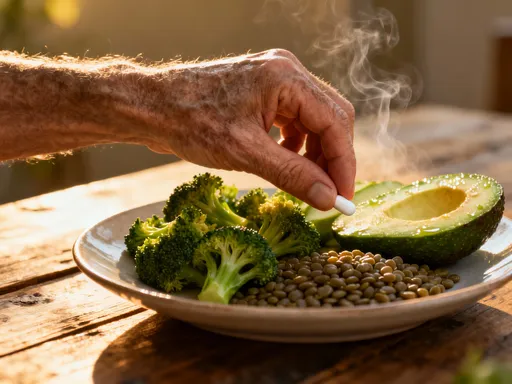
Whole, single-ingredient foods should be the cornerstone of any sustainable keto approach. These are foods that require no label to understand: an avocado, a piece of salmon, a handful of almonds, a fresh egg. They are naturally low in carbohydrates, rich in nutrients, and highly satiating. Because they are minimally processed, they support stable blood sugar, sustained energy, and long-term metabolic health. Unlike processed alternatives, they don’t trigger cravings or leave you feeling sluggish after eating.
Meals built around whole foods are also simpler to prepare and more enjoyable to eat. A grilled salmon fillet with a side of roasted asparagus and a dollop of butter requires no special ingredients or complicated steps. A spinach omelet cooked in olive oil with a few slices of tomato is both nutritious and satisfying. Even snacks can be straightforward—a small handful of walnuts, a piece of cheese, or full-fat yogurt with a few berries. These foods not only support ketosis but also promote better digestion, improved mood, and reduced inflammation.
Shifting toward real food is not about eliminating all convenience, but about redefining it. Instead of reaching for a packaged keto bar, consider what whole food could provide similar satisfaction with greater benefits. Over time, this habit changes not just what you eat, but how you think about food. It fosters a deeper connection to nourishment and a greater sense of control. When your plate is filled with colorful, natural ingredients, you’re not just following a diet—you’re building a foundation for lifelong health.
Habit 3: Listen to Your Body, Not Just Macros
One of the most common pitfalls in keto is becoming overly focused on numbers—tracking every gram of fat, protein, and carbohydrate with precision. While tracking can be helpful in the beginning, an excessive focus on macros can backfire. It may lead to stress, guilt, or obsessive behaviors around food, especially when numbers don’t align perfectly. Over time, this mindset can turn eating into a source of anxiety rather than enjoyment. A more balanced approach is to pair macro awareness with body awareness—learning to tune in to hunger, fullness, and energy levels.
Intuitive eating principles can be adapted to fit within a keto framework. This means eating when you’re genuinely hungry, choosing foods that satisfy both your taste and nutritional needs, and stopping when you’re comfortably full. It also means honoring your body’s signals when energy is low or stress is high, rather than forcing adherence to a rigid plan. For example, if you’re feeling unusually tired, your body may need more rest or a slight increase in nutrient-dense calories—not punishment through stricter restriction.
Common signs of imbalance include persistent fatigue, irritability, trouble sleeping, or increased cravings. These are not failures, but messages from your body. Maybe you haven’t had enough electrolytes, or your stress levels are affecting your hormones, or you simply need more food overall. By paying attention, you can make gentle adjustments—adding a pinch of salt to your water, including more leafy greens, or increasing your fat intake slightly—without abandoning your goals.
Flexibility is key to sustainability. Keto should enhance your life, not dominate it. There will be days when social events, travel, or family meals don’t fit a strict macro count—and that’s okay. What matters is returning to your habits without guilt. When you learn to trust your body’s wisdom, you build a relationship with food that is resilient, compassionate, and lasting. This is not about giving up structure, but about adding a layer of self-awareness that makes the journey more humane and effective.
Habit 4: Build Routines Around Sleep and Stress
Diet is only one piece of the metabolic health puzzle. Lifestyle factors like sleep and stress play a powerful role in how well your body responds to keto. Poor sleep increases levels of ghrelin, the hunger hormone, which can lead to stronger cravings for carbohydrates and sugar. It also impairs insulin sensitivity, making it harder for the body to maintain stable blood sugar—even on a low-carb diet. Similarly, chronic stress elevates cortisol, a hormone that influences fat storage, appetite, and energy balance. When cortisol remains high, it can interfere with ketosis and make weight management more challenging.
Supporting metabolic health, therefore, means going beyond food. Simple, consistent routines that promote rest and emotional balance can significantly enhance keto success. Start with sleep. Aim for seven to eight hours of quality rest each night. Create a calming bedtime routine—turn off screens an hour before bed, dim the lights, and engage in quiet activities like reading or gentle stretching. A consistent sleep schedule helps regulate hormones and supports recovery, both physical and mental.
Managing stress is equally important. Daily walks, even for just ten to fifteen minutes, can reduce cortisol and improve mood. Mindful breathing exercises—such as taking slow, deep breaths for a few minutes in the morning or before bed—help activate the parasympathetic nervous system, which promotes relaxation. Reducing screen time, especially on social media, can also lower mental clutter and emotional strain. These practices don’t require extra hours in the day, but they yield outsized benefits.
When sleep and stress are prioritized, the body becomes more efficient at using fat for fuel, cravings decrease, and emotional eating becomes less likely. These habits indirectly support ketosis by creating a hormonal environment where fat burning can thrive. They also improve overall well-being, making it easier to stay consistent with healthy eating. Wellness is not just about what’s on your plate—it’s about how you live your life. By nurturing both body and mind, you build a stronger foundation for lasting change.
Putting It All Together: Making Keto a Lifestyle, Not a Diet
True transformation happens not when you follow a set of rules, but when you adopt a new way of living. The shift from seeing keto as a temporary diet to embracing it as a sustainable lifestyle begins with identity. Instead of saying, “I’m on keto,” try thinking, “I eat in a way that fuels me.” This small change in language reflects a deeper change in mindset—one that focuses on long-term well-being rather than short-term results. It removes the pressure of perfection and replaces it with a sense of purpose and self-care.
You don’t need to adopt all the habits at once. Start with one—perhaps organizing your kitchen, or committing to a daily walk, or choosing whole foods more often. Master that habit before adding another. Small wins build confidence and create momentum. Over time, these habits layer on top of each other, forming a routine that feels natural and effortless. Progress is rarely linear. There will be days when you eat something outside your plan or skip a walk. That’s normal. What matters is consistency over time, not flawless execution.
It’s also important to recognize that individual needs vary. What works for one person may not work for another. Some women thrive on a strict keto approach, while others do better with a more moderate low-carb pattern. Listening to your body, observing how you feel, and making adjustments as needed is part of the process. If you have underlying health conditions—such as diabetes, thyroid issues, or hormonal imbalances—consulting a healthcare provider before making significant dietary changes is essential. Professional guidance ensures that your approach is both safe and effective.
Conclusion: Small Steps, Big Shifts
Keto doesn’t have to be stressful, complicated, or isolating. When approached with simplicity, flexibility, and self-compassion, it can become a powerful tool for feeling stronger, more energized, and more in control. The habits that last are not the extreme ones, but the small, consistent actions that fit into real life. It’s not about perfection—it’s about showing up, again and again, in ways that honor your health and your humanity.
From setting up a supportive kitchen to choosing real food, from tuning in to your body’s signals to prioritizing sleep and calm, each step builds a foundation for lasting wellness. These are not quick fixes, but enduring practices that grow stronger with time. If you’ve ever felt like keto wasn’t for you, consider this: it may not be the diet that failed, but the approach. There is a gentler, more sustainable way—one that doesn’t demand everything, but offers so much in return. Start small. Be kind to yourself. And trust that every positive choice moves you forward, one habit at a time.