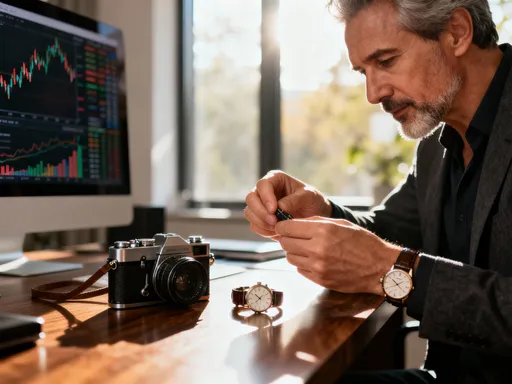
How I Balance Passion and Portfolio: A Pro’s Take on Hobby Investing
What if your weekend hobby could do more than just relax you—what if it also grew your wealth? I used to see hobbies as pure expenses, until I realized they could be strategic assets. Blending personal joy with smart asset allocation changed how I invest. This isn’t about gambling on trends; it’s about intentional choices that align passion with long-term value. Let me walk you through how I turned leisure into a structured part of my financial plan—without ignoring risk or overestimating returns. While traditional investing emphasizes stocks, bonds, and real estate, there’s a quieter, often overlooked category that can offer both emotional satisfaction and financial upside: hobby-based assets. These are not get-rich-quick schemes, nor are they substitutes for retirement savings. Instead, they represent a thoughtful integration of personal interests into a broader, balanced financial strategy. By treating certain hobby expenditures as potential long-term holdings, I’ve found a way to enjoy the present while preparing for the future—without compromising stability or discipline.
The Hidden Value in Your Hobbies
For most people, hobbies are seen as necessary indulgences—ways to unwind, reconnect with creativity, or spend quality time away from work. Yet, beneath the surface of these seemingly recreational activities lies an underappreciated financial dimension. Many hobbies involve the acquisition of physical or digital assets that, over time, can appreciate in value. Consider someone who collects vintage cameras, restores antique furniture, or builds a library of first-edition books. These items are not merely tools for enjoyment; they are tangible assets with potential market demand. The shift in perspective—from viewing hobbies as cost centers to recognizing them as potential value creators—can transform how individuals approach personal finance.
This transformation begins with mindset. When I first started investing, I followed conventional wisdom: allocate funds to index funds, maintain an emergency reserve, and avoid emotional spending. But I noticed a pattern—certain purchases related to my personal interests held their value better than expected, and some even increased in worth over time. A high-quality acoustic guitar I bought for weekend playing, for instance, retained 80% of its value after five years, while my laptop had depreciated to almost nothing. This contrast sparked a realization: not all personal spending is equal. Some purchases, particularly those tied to enduring passions, function more like assets than expenses.
The key is identifying which hobbies have the structural characteristics of appreciating assets. These include scarcity, craftsmanship, historical significance, and sustained collector interest. For example, classic bicycles from the 1970s, especially limited-run models from reputable manufacturers, have seen steady demand among cycling enthusiasts. Similarly, premium woodworking tools made by heritage brands often maintain or increase in value due to their durability and craftsmanship. These are not speculative bets; they are items with intrinsic qualities that support long-term value retention. By focusing on such categories, it becomes possible to align personal enjoyment with prudent financial behavior.
Of course, this does not mean every hobby item should be treated as an investment. The majority of recreational purchases will depreciate, and that’s perfectly acceptable. The goal is not to monetize every interest but to recognize when a passion intersects with economic potential. This selective approach allows for more intentional spending—where each purchase is evaluated not just for immediate utility, but for its long-term role in both personal fulfillment and financial balance.
Why Asset Allocation Isn’t Just for Stocks and Bonds
Traditional investment advice often revolves around a standard trio: equities, fixed-income securities, and cash equivalents. These form the backbone of most portfolios, offering varying degrees of growth, income, and liquidity. However, limiting asset allocation to these categories overlooks a broader truth—wealth creation in the modern era increasingly involves alternative investments. These include real estate, private equity, commodities, and even collectibles. When approached with discipline, hobby-related assets can fit within this alternative category, contributing to overall portfolio diversification.
Diversification is not just about spreading money across different stock sectors; it’s about reducing risk by holding assets that behave differently under various market conditions. Stocks may rise during economic expansions, but they can plummet during downturns. In contrast, certain hobby assets—like rare musical instruments or vintage timepieces—may hold steady or even appreciate when traditional markets falter. This is not guaranteed, but historical patterns suggest that niche markets can decouple from broader financial trends, especially when driven by passionate communities rather than speculative capital.
By allocating a small, defined portion of my portfolio to passion-driven assets, I’ve added a layer of resilience. This allocation is deliberate and measured—typically no more than 5% of total investable assets—and treated with the same seriousness as any other investment decision. I research market trends, assess liquidity, and consider storage and insurance costs before making a purchase. This structured approach ensures that emotional appeal does not override financial prudence. The goal is not to outperform the S&P 500, but to enhance portfolio robustness through thoughtful inclusion of non-traditional holdings.
Moreover, integrating hobby assets into financial planning fosters a deeper engagement with money. Unlike passive index fund investing, where decisions are often automated, managing a collection requires active involvement—monitoring condition, tracking market prices, and planning for eventual resale. This hands-on experience cultivates financial literacy and patience, two qualities essential for long-term success. It also creates a personal connection to wealth building, making the process more meaningful and sustainable over time.
Spotting Hobby Assets with Real Potential
Not all hobbies translate into viable financial assets. The difference between a valuable collectible and a sentimental keepsake often comes down to market dynamics, not personal attachment. I learned this early when I held onto a set of handcrafted hiking boots, believing their quality would ensure appreciation. While they remained in excellent condition, demand among collectors was minimal, and resale options were limited. The lesson was clear: emotional value does not always align with market value. To avoid such missteps, I developed a set of criteria to evaluate potential hobby investments.
The first filter is rarity. Items that are limited in production or no longer manufactured tend to hold value better than mass-produced equivalents. For example, a discontinued model of a professional-grade camera lens may become sought after by photographers seeking specific optical qualities. Similarly, limited-edition art supplies, such as specialty pigments or archival paper from defunct mills, can gain value among artists and conservators. Scarcity creates natural supply constraints, which, when paired with sustained demand, supports price stability or growth.
The second factor is demand cycles. Some hobbies experience surges in popularity due to cultural trends, media exposure, or technological shifts. While these can create short-term opportunities, they also carry risk. A better indicator of long-term potential is consistent, steady demand from a dedicated community. Classic board games, for instance, have seen enduring interest from both players and collectors, particularly editions with unique artwork or historical significance. Unlike fads, which fade quickly, these niches maintain relevance over decades.
Preservation cost is another critical consideration. High-maintenance items—such as vintage cars requiring climate-controlled storage or rare books needing acid-free enclosures—can erode potential returns if upkeep expenses exceed appreciation. I prioritize assets that are durable and relatively low-cost to maintain. A well-made fountain pen, for example, requires minimal care but can appreciate if it’s from a respected brand with a history of craftsmanship.
Finally, resale infrastructure matters. An asset is only as valuable as the market that supports it. I look for hobbies with established buying and selling channels—whether through specialized auction houses, online marketplaces, or enthusiast communities. Photography equipment, for instance, benefits from platforms like KEH or MPB, which provide transparent pricing and condition grading. This liquidity makes it easier to enter and exit positions with confidence, reducing the risk of being stuck with an illiquid asset.
Setting Boundaries: Budgeting for Passion Without Risking Stability
One of the greatest risks in hobby investing is overcommitting. Because these assets are tied to personal interests, it’s easy to justify larger expenditures under the guise of “long-term value.” I’ve seen collectors spend thousands on rare items, believing they’re making smart investments, only to find limited resale options years later. To prevent emotional spending from undermining financial health, I established strict boundaries around my hobby-related allocations.
The cornerstone of this approach is a fixed budget cap. I limit passion-based investments to a small percentage of my overall portfolio—typically between 3% and 5%. This ensures that even if an asset underperforms or loses value, the impact on my financial stability remains minimal. This cap is reviewed annually and adjusted only in line with broader changes in net worth, not based on enthusiasm for a particular trend.
Within this budget, I further distinguish between “fun money” and “strategic investments.” Fun money covers items purchased purely for enjoyment, with no expectation of appreciation. This might include new craft supplies, entry-level gear, or event tickets. These are treated as consumable expenses, similar to dining out or entertainment. Strategic investments, on the other hand, are purchases made with resale potential in mind. These require research, timing, and a clear exit strategy. By separating these two categories, I maintain clarity about my intentions and avoid conflating pleasure with profit.
I also apply a waiting period before making significant purchases. If I’m considering a high-value item, I wait at least 30 days, during which I research past sale prices, consult collector forums, and assess my own motivations. This cooling-off period helps distinguish between genuine investment interest and impulse desire. It’s a simple but effective safeguard against emotional decision-making.
Additionally, I track all hobby-related spending in my financial dashboard, just as I do with other investment categories. This visibility ensures accountability and prevents these expenses from creeping into other budget areas. Over time, this disciplined approach has allowed me to enjoy my passions without compromising my financial goals.
Tracking, Maintaining, and Knowing When to Exit
Owning hobby assets is not a passive endeavor. Unlike stocks that can be monitored through a brokerage app, physical collectibles require ongoing attention. Condition, storage, and market trends all influence long-term value. I treat each hobby asset as a mini-portfolio holding, complete with documentation, maintenance schedules, and performance reviews.
Every purchase is logged with details: date, cost, condition at acquisition, and source. I also note any restoration work, upgrades, or repairs. This record serves as a reference for future valuation and helps demonstrate provenance if I decide to sell. For example, a vintage typewriter I restored included photos of each stage of the process, which later added credibility and value when listed online.
Storage conditions are equally important. Humidity, temperature, and exposure to light can degrade materials over time. I invest in proper storage solutions—such as archival sleeves for paper goods, padded cases for instruments, and dehumidifiers for tool collections. These costs are factored into the initial investment decision, ensuring they don’t become unexpected drains on returns.
Market awareness is another key component. I subscribe to niche newsletters, follow collector groups, and periodically check auction results to stay informed about pricing trends. This helps me identify shifts in demand before they impact value. For instance, when interest in analog photography surged, I noticed rising prices for certain film cameras and adjusted my collection strategy accordingly—selling lower-demand models and reinvesting in higher-potential ones.
Knowing when to exit is perhaps the most challenging aspect. Sentiment often delays decisions, especially with items tied to meaningful experiences. However, I’ve learned that holding too long can result in missed opportunities or declining returns. I set benchmark conditions for selling: if maintenance costs exceed 10% of the item’s value annually, if market demand shows a sustained downward trend, or if a better investment opportunity arises, I consider an exit. Sales are executed through trusted channels—specialized dealers, curated online platforms, or community marketplaces—to ensure fair pricing and smooth transactions.
Balancing Emotion and Logic in Investment Decisions
The most persistent challenge in hobby investing is managing emotional attachment. Unlike stocks or bonds, these assets are often tied to personal memories, achievements, or identity. A guitar used to play at a family wedding, a camera that captured a child’s first steps, or a set of tools used to build a backyard deck carry deep sentimental weight. This connection can cloud judgment, leading to overvaluation or reluctance to sell at the right time.
I’ve made this mistake before—holding onto a rare board game because it reminded me of childhood weekends with my siblings, even as its market value declined. It wasn’t until I consulted a fellow collector that I realized I was prioritizing memory over financial sense. That experience led me to adopt a more objective framework for decision-making.
Now, I use a checklist before making or retaining any significant hobby investment. It includes questions like: Is this item objectively scarce? Is there active secondary market demand? Would I recommend this purchase to someone with no emotional stake? If the answer to any of these is no, I reconsider the decision. I also seek peer feedback from within collector communities, where opinions are based on market knowledge rather than personal sentiment.
This balance of emotion and logic doesn’t eliminate passion—it channels it. By acknowledging the emotional value while applying financial discipline, I preserve both the joy and the integrity of the process. The result is a more sustainable approach, where hobbies enrich life without straining finances.
Building a Smarter, More Personal Portfolio
Integrating hobby assets into my financial strategy hasn’t led to overnight wealth, nor was that the goal. What it has done is make my relationship with money more dynamic, engaging, and personally meaningful. These niche investments add a layer of diversification that traditional portfolios often lack. They introduce exposure to markets driven by craftsmanship, culture, and community—factors that aren’t always reflected in stock indices but can offer stability during volatile periods.
More importantly, this approach has deepened my financial discipline. Treating passion projects with the rigor of investment analysis has improved my research skills, patience, and ability to delay gratification. It has also sparked curiosity—leading me to learn about appraisal methods, insurance for collectibles, and global market trends in unexpected areas, from vintage watches to rare seeds.
There have been gains, of course—some modest, a few notable—but the real return lies in the experience itself. The process of selecting, maintaining, and eventually passing on these items has become a quiet form of legacy building. A well-preserved violin may one day inspire a young musician; a curated set of artisan tools might support a future craftsperson. In this way, wealth becomes not just a number, but a vehicle for continuity and contribution.
Ultimately, the fusion of passion and portfolio is not about maximizing returns. It’s about creating a financial life that reflects who you are. When prudence and personal joy align, money stops being a mere metric and starts telling a richer, more human story. That, more than any profit, is the true value of hobby investing.